
Car Rental Border Crossing Documents
Car Rental Border Crossing Documents, Taking a rental car across an international border is one of the most rewarding ways to explore East Africa — and one of the most documentation-intensive. Immigration officers, customs agents, and police checkpoints along the road all have the authority to stop you and inspect your paperwork. A single missing document can mean delays of several hours, impounding of the vehicle, a financial penalty, or outright denial of entry into the destination country.

This guide is designed specifically for travellers renting a vehicle in Uganda and crossing into neighbouring countries. It covers every document you will need, country by country, explains what each document means, where to get it, what it costs, and what to do when something goes wrong at the border.
| Who Should Read This Guide |
| • Self-drive travellers renting a 4×4 or saloon car in Uganda for a multi-country safari |
| • Travellers doing a one-way rental — picking up in Kampala and dropping off in Nairobi, Arusha, Kigali, or beyond |
| • Group travellers crossing multiple borders on a single trip (e.g., Uganda → Rwanda → Tanzania) |
| • First-time cross-border renters who want to understand every requirement before departure |
| • Repeat travellers who want to stay up to date with 2026 documentation rules |
Section 1: Overview of Border Crossing Requirements
Before diving into specific documents, it helps to understand the overall framework of requirements. Every time you cross a border with a rental vehicle, you are navigating three separate systems simultaneously:
- Immigration — your right as a person to enter the country (passport, visa, East Africa Tourist Visa).
- Customs & Vehicle Importation — the vehicle’s right to enter the country temporarily (TIP, Cross-Border Letter, logbook).
- Insurance & Liability — confirmation that you and the vehicle are financially covered in the destination country (COMESA Yellow Card, third-party insurance).
Failure in any one of these three areas can block your crossing, regardless of how well you have handled the other two. This guide addresses all three.
Uganda’s Border Crossings: The Key Exits
Uganda shares borders with five countries. The crossings below are the most commonly used for rental vehicle traffic:
| Border Post | Destination Country | Road Quality | Processing Time | Best Use |
| Malaba / Busia | Kenya | Paved — A109 | 1–3 hrs | Nairobi, Coast, Mara |
| Mutukula | Tanzania | Paved — A109 | 2–4 hrs | Arusha, Dar, Serengeti |
| Katuna / Cyanika | Rwanda | Paved | 1–2 hrs | Kigali, Volcanoes NP |
| Bunagana | DR Congo | Unpaved | Variable | Virunga NP (specialist only) |
| Oraba | South Sudan | Unpaved | Variable | Juba corridor (rare) |
| Kobero / Kabanga | Burundi (via Tanzania) | Paved to Mwanza | Overnight | Bujumbura via ferry/road |
Section 2: The Nine Essential Documents
The following nine documents form the complete portfolio for a rental vehicle crossing from Uganda into any East African neighbour. Not every document is required for every crossing — the country-specific section below details exactly what each border demands — but you should carry all nine on every trip to avoid being caught unprepared at an unscheduled checkpoint.
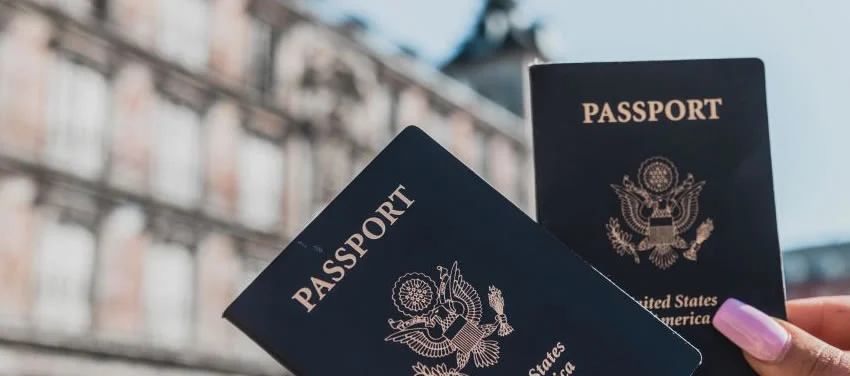
Document 1 — Valid Passport
Your passport is the foundational document for any cross-border journey. It proves your identity and nationality to immigration officers in both the departing and arriving country.
| Passport Requirements at a Glance |
| • Must be valid for at least 6 months beyond your planned return date to Uganda |
| • Must have at least 2–3 blank pages for entry/exit stamps |
| • Must not be damaged, torn, or water-damaged (worn pages can trigger secondary questioning) |
| • Children travelling with parents need their own individual passport — not an endorsement in a parent’s document |
| • Emergency travel documents / emergency passports are accepted at most East African borders but may cause delays |
| • Stateless persons or refugees need to carry UNHCR travel documents plus any country-specific travel permits |
Practical Tip: Make two sets of photocopies of your passport’s bio-data page and your Uganda entry stamp, and store them separately from the original. If your passport is lost or stolen at or near a border, having a copy dramatically speeds up emergency assistance from your embassy.
Document 2 — Entry Visa or East Africa Tourist Visa
A visa grants you the legal right to enter a specific country. The visa you need depends on your nationality and which border you are crossing.
East Africa Tourist Visa (Joint EAC Visa)
The East Africa Tourist Visa (EATV) is a single visa that covers Uganda, Kenya, and Rwanda for a single entry into each country, valid for 90 days from first entry. It costs USD 100 and is widely regarded as the best-value option for multi-country travel within those three countries.
- Apply online at irembo.rw (Rwanda), ecitizen.go.ke (Kenya), or visas.immigration.go.ug (Uganda) depending on first port of entry
- The visa is stamped in your passport at the first point of entry and noted as an ‘East Africa Tourist Visa’
- It does NOT cover Tanzania, Burundi, or DR Congo — separate visas are needed for those countries
- If you enter Kenya on the EATV and then cross into Uganda, your EATV Uganda allocation begins then
Tanzania Visa
Tanzania requires a separate visa for most nationalities. As of 2025, Tanzania introduced the Tanzania e-Visa as the primary means of entry. Visa on Arrival remains available at major entry points but is slower.
- Apply at eservices.immigration.go.tz well in advance — processing takes 5–10 business days
- Cost: USD 50 for ordinary visa (most nationalities); USD 250 for multiple-entry
- Single-entry visa valid for 90 days from date of issue, 3 months to activate
- East African Community nationals (Ugandans, Kenyans, Rwandans, Burundians, South Sudanese) do not need a visa for Tanzania
Rwanda Single-Entry Visa
Rwanda offers a visa on arrival at Katuna/Cyanika border or Kigali International Airport for most nationalities. Citizens of over 90 countries also travel to Rwanda visa-free. Check your specific nationality on www.migration.gov.rw before departure.
| Country | Visa Requirement | Cost | Where to Apply | Validity |
| Kenya | EATV or Single Entry | USD 100 / USD 50 | ecitizen.go.ke | 90 days / 90 days |
| Tanzania | e-Visa (required) | USD 50 | eservices.immigration.go.tz | 90 days |
| Rwanda | Visa on Arrival / Visa-Free | USD 30 / Free | At border or migration.gov.rw | 30–90 days |
| DR Congo | Visa required in advance | USD 50–100 | DRC Embassy Kampala | 30 days |
| Burundi | e-Visa or Visa on Arrival | USD 40 | evisa.gov.bi or at border | 30 days |
| South Sudan | Visa required in advance | USD 100+ | South Sudan Embassy Kampala | 30 days |
Document 3 — Vehicle Logbook (Registration Certificate)
The vehicle logbook — officially called the Registration Certificate in Uganda — is the title document of the vehicle. It proves the car is legally registered and identifies the registered owner. Immigration and customs officers use this document to match the vehicle to its registered owner and to verify the Vehicle Identification Number (VIN) against the physical chassis plate.
| What the Logbook Must Show |
| • Full legal name of the registered owner (the car rental company) |
| • Vehicle Identification Number (VIN / Chassis Number) matching the plate on the dashboard |
| • Engine number |
| • Make, model, colour, and body type |
| • Registration plate number matching the number plates on the vehicle |
| • Country of registration: Uganda (UG) |
| • Expiry date of registration — must be current at time of crossing |
Important: The logbook is a legal ownership document and is issued in the name of the car rental company, not the driver. You will never be given the original logbook to keep personally. Your rental company must provide it as part of the vehicle handover package.
At some borders, customs agents will physically compare the VIN on the logbook against the VIN stamped into the vehicle’s chassis (usually found on the dashboard behind the windscreen, or on the B-pillar door frame). Make sure you know where your vehicle’s VIN plate is located before you reach the border.

Document 4 — Cross-Border Authorization Letter
This is perhaps the single most important document that distinguishes a legal cross-border rental from an illegal one. Because the logbook shows a rental company — not you — as the vehicle owner, you need written permission from that owner to take the vehicle out of Uganda.
The Cross-Border Authorization Letter (also called the Cross-Border Permit, Permission to Cross Letter, or Vehicle Release Letter) is issued by the car rental company on their official letterhead and must be stamped and signed by a company director or authorized officer.
What the Letter Must Include
- Car rental company name, physical address, phone number, and email
- Company registration number and VAT number
- Official company stamp and wet ink signature of an authorized director
- Full name and passport number of the driver
- Vehicle make, model, colour, registration plate, and VIN
- Specific countries the driver is authorized to enter (e.g., ‘Kenya and Tanzania only’)
- Specific border posts the driver is authorized to use (some companies list these)
- Date of departure and expected return date to Uganda
- Emergency contact number for the rental company (24/7 if possible)
- Clear statement: ‘This vehicle is authorized for temporary export from Uganda for the purposes of tourism/self-drive safari’
| ⚠ Critical Warning |
| • A photocopy or scanned PDF of the authorization letter is NOT acceptable at most borders — you need the original with a wet ink stamp and signature |
| • Letters that are undated or that omit the specific destination countries are routinely rejected |
| • Some borders (notably Malaba/Kenya) may ask for a notarized letter — confirm with your rental company before departure |
| • If the letter names one set of countries and you try to cross into an unlisted country, the vehicle will be stopped |
Document 5 — COMESA Yellow Card (Third-Party Insurance)
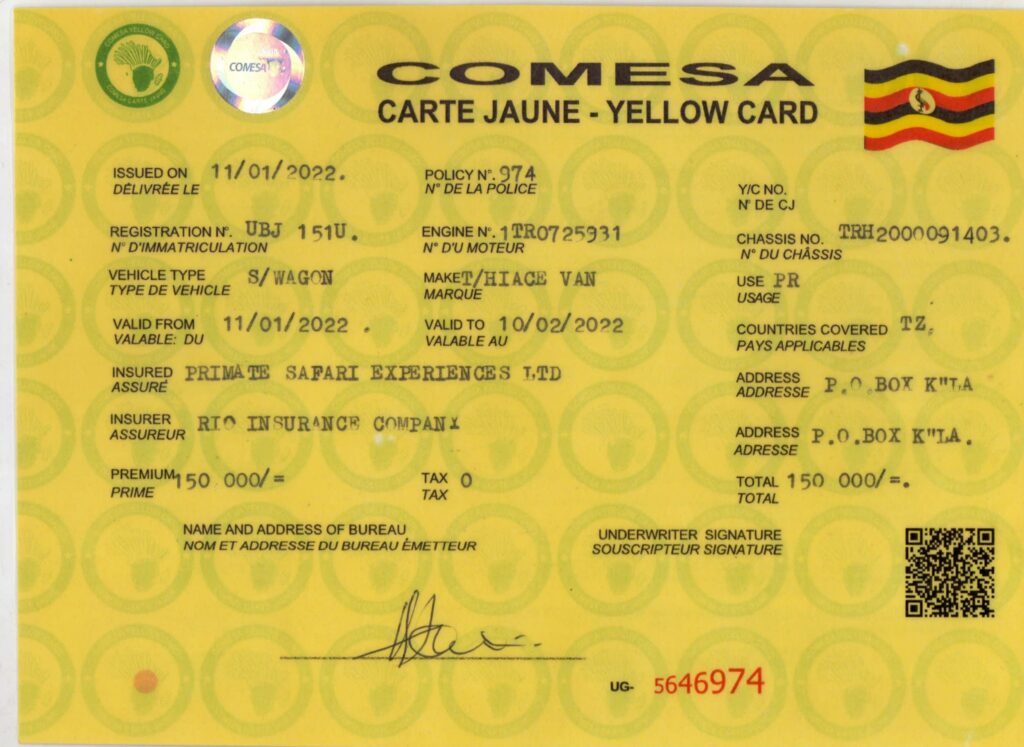
The COMESA Yellow Card — formally the COMESA Motor Vehicle Third Party Insurance Certificate — is the compulsory motor insurance certificate valid across all 21 member states of the Common Market for Eastern and Southern Africa (COMESA). It is the cross-border equivalent of your Uganda third-party motor insurance certificate.
Countries Where the Yellow Card is Valid
- Uganda, Kenya, Tanzania, Rwanda, Burundi, Ethiopia, Zimbabwe, Zambia, Malawi, Mozambique, Madagascar, Sudan, South Sudan, DR Congo, Eritrea, Eswatini, Djibouti, Comoros, Libya, Seychelles, Egypt
How to Obtain the Yellow Card
The Yellow Card is purchased through a licensed insurer in Uganda. Most car rental companies include it in cross-border packages, but you should confirm this in writing before departing. If you need to purchase one independently:
- Contact any licensed insurance company in Uganda: UAP Insurance, Jubilee Insurance, Lion Assurance, or NIC Holdings
- You will need the vehicle logbook details and your passport
- Cost varies by destination country and duration: typically UGX 80,000–250,000 (approx. USD 20–65) for 30 days
- The Yellow Card is printed on yellow carbonised paper and comes in duplicate — one for you, one for the insurer’s records
| Coverage Country | Minimum Period | Approx. Cost (USD) | Notes |
| Kenya | 1 month | USD 20–35 | Widely available, fast issuance |
| Tanzania | 1 month | USD 25–40 | Ensure Tanzania listed explicitly |
| Rwanda | 1 month | USD 20–35 | Rwanda often accepts at border |
| Burundi | 1 month | USD 20–30 | Less common — confirm insurer |
| DR Congo | 1 month | USD 30–50 | DRC listed; verify with insurer |
| Multi-Country | 1–3 months | USD 50–90 | Best for multi-country itineraries |
Note: The Yellow Card covers third-party liability only — meaning damage or injury to other people and their property. It does NOT cover damage to the rental vehicle itself. Your rental company’s own insurance covers the vehicle.
Document 6 — Temporary Import Permit (TIP)
A Temporary Import Permit (TIP) is issued by the customs authority of the destination country at the border of entry. It formally registers the fact that a foreign-registered vehicle has been brought into the country temporarily for tourism purposes and must be re-exported before the permit expires.
| How the TIP Works |
| • You apply for the TIP at the border customs desk on arrival in the destination country |
| • The customs officer logs the vehicle details (plate, VIN, make, model) and your passport details |
| • The permit specifies the date of entry and the mandatory date of exit |
| • On departure, you surrender the TIP at the border customs desk — failure to do so is treated as illegal importation |
| • If you overstay a TIP, you may face a fine of USD 100–500 and the vehicle may be seized |
| • TIPs are usually issued free of charge in Kenya and Rwanda; Tanzania charges a small processing fee |
Practical Tip: Keep your TIP with your other documents in a clearly labelled folder. You will need to produce it at internal police checkpoints in some countries (particularly Tanzania) and mandatorily at the exit border post.
TIP Requirements by Country
| Country | TIP Required? | Fee | Duration | Issued By |
| Kenya | Yes | Free | Duration of visa / 90 days max | Kenya Revenue Authority (KRA) |
| Tanzania | Yes | TZS 5,000–10,000 | Duration of visa / 30–90 days | Tanzania Revenue Authority (TRA) |
| Rwanda | Yes | Free | Duration of visa / 30–90 days | Rwanda Revenue Authority (RRA) |
| DR Congo | Yes | USD 10–30 | 30 days | Direction Générale des Douanes |
| Burundi | Yes | USD 5–15 | 30 days | Office Burundais des Recettes |
| South Sudan | Yes | USD 20+ | 30 days | South Sudan Revenue Authority |
Document 7 — Valid Driving Licence
A valid driving licence is required at every border and at every police checkpoint inside each country. You must carry the original — photocopies are not accepted.
Uganda Driving Licence
If you hold a valid Ugandan driving licence, it is recognized within the East African Community (EAC) countries — Kenya, Tanzania, Rwanda, Burundi, and South Sudan — without the need for an International Driving Permit. However, carrying an IDP alongside your Uganda licence is strongly recommended for DR Congo and for older roadblocks staffed by officers unfamiliar with EAC reciprocal recognition.
Foreign Driving Licence (Non-Ugandan Renters)
If you are a tourist who has rented a vehicle in Uganda using your home-country driving licence, the licence must:
- Be in English or accompanied by an official English translation
- Be valid for the full duration of your trip
- Match the vehicle category you are driving (Class B for a passenger vehicle; Class C for a heavier vehicle)
International Driving Permit (IDP)
An IDP is a UN-standardised booklet that translates your home licence into 12 official UN languages. It is not a standalone licence — it must be carried alongside your original national licence. An IDP is strongly recommended for:
- DR Congo border crossings (French-speaking officials may not accept English licences without translation)
- Internal roadblocks in Tanzania where traffic police are stricter
- Any country where your licence is in a non-Roman alphabet (Arabic, Chinese, etc.)
Document 8 — Vehicle Third-Party Insurance Certificate (Uganda)
In addition to the COMESA Yellow Card, you should carry your Uganda Motor Vehicle Third-Party Insurance Certificate. This document proves the vehicle is insured in Uganda and is sometimes requested at the Uganda exit border point to confirm the vehicle is road-legal in its country of origin.
This certificate is issued by the Ugandan insurer and is specific to the registration year of the vehicle. It is normally held by the rental company and included in the vehicle documentation folder. Ensure your rental company has placed the current year’s certificate in the vehicle — an expired Uganda insurance certificate, even if the COMESA Yellow Card is valid, can complicate matters at the Uganda exit gate.
Document 9 — Rental Agreement / Contract
Your rental agreement is the legal contract between you and the car rental company. It identifies you as the authorised driver of the vehicle and specifies the agreed terms, vehicle details, and rental period. Border agents — particularly in Kenya and Tanzania — sometimes request this document to cross-reference the Cross-Border Authorization Letter and confirm that the same person named in both documents is the one presenting them at the border.
| What Your Rental Agreement Should Clearly State |
| • Your full legal name as it appears in your passport |
| • Your passport number |
| • Vehicle registration plate number |
| • Vehicle make, model, and VIN |
| • Rental start and end dates |
| • Signed and dated by both you and a company representative |
| • Authorisation for cross-border travel (if included in the main agreement — some companies use a separate letter) |
Section 3: Country-by-Country Requirements
Crossing into Kenya from Uganda
Primary Border Posts: Malaba & Busia
The Malaba and Busia border posts are the two primary crossings between Uganda and Kenya. Malaba is the busiest and handles the most commercial and tourist traffic. Busia is slightly less congested and often preferred by travellers heading directly towards Kisumu and western Kenya.
| Document | Required? | Where Obtained | Notes |
| Passport | ✔ Mandatory | Before travel | 6 months validity; blank pages |
| Kenya Visa / EATV | ✔ Mandatory | ecitizen.go.ke (pre-apply) | USD 50 single / USD 100 EATV |
| Vehicle Logbook | ✔ Mandatory | From rental company | Original only |
| Cross-Border Auth. Letter | ✔ Mandatory | From rental company | Original stamped |
| COMESA Yellow Card | ✔ Mandatory | Ugandan insurer | Must list Kenya |
| Temporary Import Permit | ✔ At border | Kenya Revenue Authority, Malaba | Free; issued on arrival |
| Driving Licence | ✔ Mandatory | Your issuing authority | Original; IDP recommended |
| Uganda 3rd-Party Insurance | ✔ Recommended | From rental company | Confirms Uganda road-legality |
| Rental Agreement | ✔ Recommended | From rental company | Cross-references auth. letter |
Step-by-Step Malaba Border Crossing Process
- UGANDA SIDE — Immigration: Queue at the Uganda Immigration exit desk. Present passport. Officer stamps your exit. This usually takes 10–30 minutes depending on queue.
- UGANDA SIDE — Customs: Proceed to Uganda Customs. Present vehicle logbook and Cross-Border Authorization Letter. Officer records the vehicle exit. Receives Ugandan customs clearance.
- NO MAN’S LAND: Drive (or walk) the short distance between the two border posts.
- KENYA SIDE — Immigration: Queue at Kenya Immigration. Present passport plus Kenya visa or EATV. Officer stamps entry. This is typically the longest step: 20–60 minutes.
- KENYA SIDE — KRA Customs: Proceed to Kenya Revenue Authority desk. Present: logbook, Cross-Border Letter, COMESA Yellow Card, driving licence. Officer issues the Temporary Import Permit (TIP). Inspect the TIP for accuracy before leaving the desk.
- KENYA SIDE — Road Worthiness Check (if flagged): Kenya traffic police sometimes conduct spot checks of vehicle condition (lights, tyres, indicators) at the border exit. The rental vehicle should pass if well-maintained.
- DEPARTURE: Collect all documents, confirm TIP is in hand, and proceed onto the A104 towards Eldoret or Kisumu.
| Common Issues at Malaba |
| • Long queues for passenger vehicles (arrive before 8:00 AM or after 4:00 PM to avoid peak hours) |
| • Officers sometimes ask for proof of sufficient funds for your Kenya stay (USD 500 per person is informal guidance) |
| • Unauthorized goods (excess alcohol, foodstuffs above personal limits) may cause customs delays |
| • Yellow Fever vaccination certificate is sometimes checked — carry your vaccination card |
Crossing into Tanzania from Uganda
Primary Border Post: Mutukula
The Mutukula border is the main crossing between Uganda and Tanzania, located approximately 150 km south of Kampala. It connects to the A104 on the Uganda side and feeds into the B2 highway towards Bukoba and eventually Arusha or Dar es Salaam via the Central Corridor.
| Document | Required? | Where Obtained | Notes |
| Passport | ✔ Mandatory | Before travel | 6 months validity; blank pages |
| Tanzania e-Visa | ✔ Mandatory (most nationalities) | eservices.immigration.go.tz | Apply 7–14 days in advance |
| Vehicle Logbook | ✔ Mandatory | From rental company | Original only |
| Cross-Border Auth. Letter | ✔ Mandatory | From rental company | Notarization sometimes requested |
| COMESA Yellow Card | ✔ Mandatory | Ugandan insurer | Must list Tanzania explicitly |
| Temporary Import Permit | ✔ At border | Tanzania Revenue Authority, Mutukula | Small processing fee |
| Driving Licence | ✔ Mandatory | Your issuing authority | IDP recommended for Tanzania |
| Rental Agreement | ✔ Recommended | From rental company | Frequently requested here |
| Yellow Fever Certificate | ✔ Mandatory | Your health authority | Required for all travellers |
Important Tanzania-Specific Notes
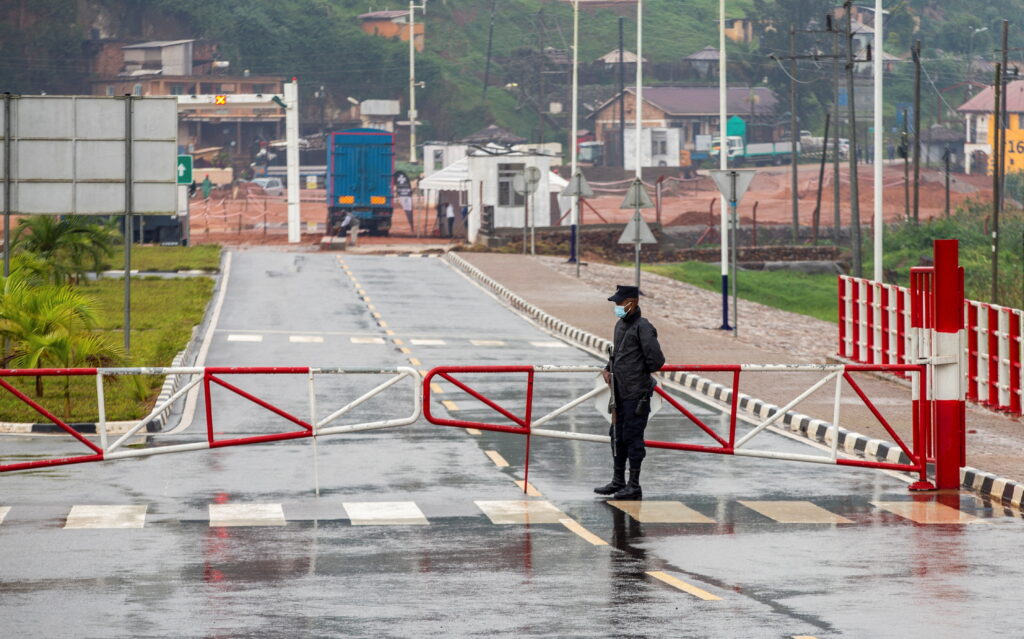
- Tanzania’s e-Visa must be pre-applied — do not arrive at Mutukula expecting to process a visa on the spot without pre-approval. While Visa on Arrival technically exists, processing times are unpredictable and can take hours.
- The TRA issues a Road Pass / TIP at Mutukula. Keep this document safely — you will be asked to surrender it when you exit Tanzania. Losing a TIP in Tanzania can result in a USD 100–200 penalty.
- Tanzania traffic police (Polisi wa Usalama Barabarani) conduct frequent spot-checks along the Tanzanian highway network. Always have your full document folder in the vehicle — documents stored in your bag in the boot are not helpful if you are stopped.
- Rooftop tent vehicles: Tanzania national parks require park-specific camping permits in addition to standard vehicle documents. Ensure your park permits are pre-arranged.
Crossing into Rwanda from Uganda
Primary Border Posts: Katuna (Kabale side) & Cyanika
Rwanda shares two main land crossings with Uganda. Katuna (on the Ugandan side) / Gatuna (on the Rwandan side) is the larger and more commonly used crossing, feeding directly into the road to Kigali. Cyanika is a smaller crossing favoured by travellers heading directly to Musanze/Volcanoes National Park for gorilla trekking.
| Document | Required? | Where Obtained | Notes |
| Passport | ✔ Mandatory | Before travel | 6 months validity |
| Rwanda Visa or EATV | ✔ Varies by nationality | migration.gov.rw or at border | 90+ nationalities visa-free |
| Vehicle Logbook | ✔ Mandatory | From rental company | Original only |
| Cross-Border Auth. Letter | ✔ Mandatory | From rental company | Rwanda is very strict on this |
| COMESA Yellow Card | ✔ Mandatory | Ugandan insurer | Must list Rwanda |
| Temporary Import Permit | ✔ At border | Rwanda Revenue Authority | Free; efficiently processed |
| Driving Licence | ✔ Mandatory | Your issuing authority | Uganda licence recognised in Rwanda |
| Rental Agreement | ☑ Recommended | From rental company | Helpful if questioned |
Rwanda-Specific Notes
- Rwanda is known for having one of the most efficient border crossing processes in East Africa. Katuna/Gatuna typically processes tourist vehicles in under 90 minutes.
- Rwanda enforces a strict vehicle cleanliness standard — the country has banned single-use plastic bags. Do not carry plastic bags or excessive single-use plastics into Rwanda. Vehicles are sometimes briefly inspected at the border.
- The Cyanika crossing to Musanze is smaller and can process vehicles quickly — ideal for gorilla trekking visits — but confirm it is open for your vehicle class with your rental company.
- Rwanda imposes a speed limit of 60 km/h in urban areas and 80 km/h on highways. Traffic fines are issued on the spot and are strictly enforced.
Crossing into DR Congo from Uganda
Border Post: Bunagana
Crossing into the Democratic Republic of Congo (DRC) is a significantly more complex undertaking than other Uganda border crossings and is not recommended for standard car rental clients without specialist knowledge or a guide. The Bunagana crossing connects to Virunga National Park — home to mountain gorillas — but the security situation in eastern DRC requires ongoing monitoring.
| ⚠ DRC — Special Advisory |
| • Check your government’s official travel advisory for eastern DRC before confirming any plan to cross |
| • Most car rental companies will NOT authorize their vehicles to enter DRC — confirm in writing before proceeding |
| • If a DRC crossing is approved: a DRC visa must be obtained from the DRC Embassy in Kampala (no visa on arrival) |
| • Congolese travel within Virunga National Park requires pre-arranged permits from ICCN (Institut Congolais pour la Conservation de la Nature) |
| • COMESA Yellow Card technically covers DRC but local supplementary insurance is strongly recommended |
| • All documents should be carried in French translation if possible — DRC is a French-speaking country |
Crossing into Burundi from Uganda
Direct road entry into Burundi from Uganda is not possible — Burundi shares borders with Tanzania and Rwanda but not directly with Uganda. Travellers routing to Burundi from Uganda typically enter via Tanzania (Kobero/Kabanga border) or via Rwanda (Kanyaru/Ruhwa border). Full Burundi documentation requirements are covered in the separate 4×4 Car rental Burundi Tour Documents guide.
Section 4: Complete Documents Checklist
Use this checklist before every border crossing. Tick each item once you have confirmed it is present, valid, and accessible in the vehicle.
Personal Travel Documents
- ☐ Passport — original, valid for 6+ months, with 2+ blank pages
- ☐ Visa for destination country (or EATV if applicable) — confirmed and stamped/approved
- ☐ Yellow Fever Vaccination Certificate (International Certificate of Vaccination — ICV yellow booklet)
- ☐ Photocopies of passport bio-data page (×2, stored separately from original)
- ☐ Photocopies of Uganda entry stamp (×2)
Driving Documents
- ☐ Driving Licence — original, valid, correct vehicle class
- ☐ International Driving Permit (IDP) — recommended for DRC, Tanzania highway stops
Vehicle Documents
- ☐ Vehicle Logbook (Registration Certificate) — original, current registration, matching VIN
- ☐ Cross-Border Authorization Letter — original, wet ink stamp and signature, lists correct countries and dates
- ☐ Rental Agreement / Contract — signed copy, lists your passport number and vehicle details
- ☐ COMESA Yellow Card — original carbonised certificate, lists all destination countries, not expired
- ☐ Uganda Third-Party Motor Insurance Certificate — current year, matches vehicle registration
- ☐ Temporary Import Permit (TIP) — obtained at destination border on entry; surrender on exit
Supporting & Emergency Documents
- ☐ Emergency contact number for rental company (saved in phone and written on paper)
- ☐ Roadside assistance contact (if provided by rental company)
- ☐ Travel insurance certificate (your personal travel insurance, not vehicle insurance)
- ☐ Credit card with sufficient funds for fuel, tolls, park fees, and emergencies
- ☐ USD cash for border fees, tips, park fees, and areas with no card payment
| Document Organisation Tip |
| • Use a clear zip-lock pouch or a dedicated document wallet stored in the driver’s door pocket or glove compartment |
| • Arrange documents in order: passport on top, then visa confirmation, then vehicle documents |
| • Keep a second set of photocopies in your bag or luggage — separate from the vehicle |
| • Photograph all documents with your phone and upload to cloud storage before departure |
| • Write the 24-hour rental company emergency number on a piece of paper kept with the documents |
Section 5: Costs and Processing Times Summary
| Document / Fee | Uganda → Kenya | Uganda → Tanzania | Uganda → Rwanda | Notes |
| EATV Visa | USD 100 | N/A | USD 100 | Covers UG, KE, RW |
| Tanzania e-Visa | N/A | USD 50 | N/A | Required; pre-apply |
| Rwanda Visa (if needed) | N/A | N/A | USD 30 or Free | Many nationalities free |
| COMESA Yellow Card | USD 20–35 | USD 25–40 | USD 20–35 | Per 30-day period |
| Temporary Import Permit | Free | TZS 5,000–10,000 | Free | Issued at border |
| Cross-Border Letter | Included in rental | Included in rental | Included in rental | Confirm with company |
| IDP (if needed) | USD 15–25 | USD 15–25 | USD 15–25 | Issued in home country |
| Road Toll — Kenya A104 | USD 5–15 | N/A | N/A | Varies by route |
| Estimated Total Document Cost | USD 140–175 | USD 90–130 | USD 50–170 | Excluding rental rate |
Typical Border Processing Times
| Border Post | Peak Season | Low Season | Best Time to Cross |
| Malaba (Uganda → Kenya) | 2–4 hours | 1–2 hours | Before 8:00 AM |
| Busia (Uganda → Kenya) | 1–3 hours | 45 min–1.5 hrs | Early morning |
| Mutukula (Uganda → Tanzania) | 3–5 hours | 2–3 hours | 7:00–10:00 AM |
| Katuna/Gatuna (Uganda → Rwanda) | 1–2 hours | 45 min–1 hr | Morning |
| Cyanika (Uganda → Rwanda) | 30–60 min | 20–45 min | Any time |
| Bunagana (Uganda → DRC) | Variable | Variable | Morning (specialist only) |
Section 6: Common Mistakes and How to Avoid Them
Mistake 1 — Photocopies Instead of Originals
Photocopies of the vehicle logbook, Cross-Border Authorization Letter, or COMESA Yellow Card are universally rejected. Always carry originals. If you are worried about losing the originals, photograph them and email the photos to yourself — but still bring the originals.
Mistake 2 — Expired or Wrong-Country COMESA Yellow Card
Always confirm that your Yellow Card explicitly lists the countries you plan to enter. A Yellow Card valid for Kenya does not automatically cover Tanzania. Request a multi-country Yellow Card if you are crossing more than one border. Check the expiry date carefully — a single expired day renders the card void.
Mistake 3 — Authorization Letter That Does Not Match the Itinerary
The Cross-Border Authorization Letter must list the correct destination countries and must cover your travel dates. If your itinerary changes — for example, you decide to extend your stay in Kenya — you will need an updated letter from the rental company before you can re-enter Uganda or continue to Tanzania. Some companies can email a new letter which you then print, but always confirm what the specific border post will accept.
Mistake 4 — Forgetting the TIP on Exit
You must surrender the Temporary Import Permit (TIP) when you exit the country. Failing to do so is treated as a customs violation, and the rental company (whose vehicle is registered) may receive a penalty that will be charged to you. Before you leave a country, double-check that you have the TIP in your folder and that you have presented it to the customs officer on departure.
Mistake 5 — No USD Cash
Card payment is rarely accepted at border posts. Most fees — visa fees, TIP fees, insurance add-ons, and informal facilitation fees — are paid in USD cash. Carry at least USD 300 in small denominations (USD 1, USD 5, USD 10, USD 20 notes). Worn, torn, or pre-2006 USD notes are frequently refused.
Mistake 6 — Unlisted Additional Drivers
If someone other than the primary renter is driving the vehicle at the border, that person must be listed as an authorized additional driver in the Rental Agreement and the Cross-Border Authorization Letter. A spouse, colleague, or friend who is not listed cannot legally drive the vehicle across an international border.
Mistake 7 — Missing Yellow Fever Certificate
Kenya, Tanzania, and Uganda all require a valid Yellow Fever vaccination certificate, particularly for travellers arriving from or transiting through Yellow Fever-endemic areas. The certificate must show the vaccine was administered at least 10 days before your crossing date. Without it, you may be vaccinated at the border (cost and delay) or refused entry.
Mistake 8 — Attempting to Cross at Unofficial or Seasonal Crossings
Only gazetted border posts can process vehicle imports legally. Attempting to cross at informal crossings (used by local traders and foot traffic) without proper customs processing will invalidate your TIP, leave you without legal documentation inside the country, and expose both you and the rental company to serious penalties.
Section 7: What to Do if Your Documents Are Challenged
Even with perfect documentation, border agents occasionally challenge a document or request something unexpected. Here is how to handle these situations:
Stay Calm and Cooperate
Never argue with an immigration or customs officer, even if you believe they are wrong. Remain polite, speak slowly and clearly, and produce documents one at a time as requested. Agitation rarely helps and can escalate a simple documentation check into a serious delay.
Call Your Rental Company Immediately
Your rental company’s 24/7 emergency line is one of the most valuable resources at a difficult border crossing. A phone call from the rental company to the border officer — especially if the company has existing relationships with the border post — can resolve many document discrepancies quickly. Always have this number accessible before you reach the border.
Ask for a Supervisor
If a junior officer is insisting on a requirement that your documents clearly satisfy, politely request to speak with the officer-in-charge or a senior customs/immigration supervisor. Do not frame this as a complaint — simply explain that you would like guidance from a senior officer to ensure everything is in order.
Document the Interaction
If you are asked to pay a fee that does not match any official schedule, or if an officer makes a request that seems irregular, do not pay immediately. Ask for a written receipt or an official payment slip. In some cases, the request will be withdrawn. If you do pay any fee, always get a receipt.
| Emergency Contacts to Have Ready |
| • Your rental company’s 24-hour emergency number |
| • Uganda High Commission / Embassy in destination country |
| • Your country’s embassy or high commission in the destination country |
| • Your travel insurance company’s 24-hour emergency line |
| • COMESA Yellow Card issuing insurer’s emergency claims line |
Section 8: Returning to Uganda — Re-entry Requirements
When you re-enter Uganda with your rental vehicle, the process mirrors the outbound crossing in reverse. Uganda customs will record the vehicle’s return, and Uganda immigration will stamp your passport on entry.
What You Need on Return
- Passport — same document used for departure
- Uganda re-entry visa or EAC travel document (if your original visa or EATV has expired, you will need a new Uganda visa)
- Vehicle Logbook — same original logbook
- TIP for the country you are exiting — surrender to that country’s customs officer before crossing into Uganda
- Proof that the vehicle was not sold or modified while outside Uganda (the logbook and unaltered VIN plate serve as evidence)
Uganda does not require a formal import permit for returning Ugandan-registered vehicles — the vehicle logbook and customs officer’s records from your departure are sufficient to confirm the vehicle was legally exported and is now returning.
One-Way Rentals: Drop-Off in Another Country
If you have arranged a one-way rental — where you pick up in Uganda but drop the vehicle off in Kenya, Tanzania, or Rwanda — you do not return the vehicle to Uganda yourself. In this case:
- Your personal re-entry to Uganda (if needed) uses your passport and visa alone — no vehicle documentation
- The vehicle’s return to Uganda is the rental company’s responsibility — they will arrange a driver or transporter
- Confirm in writing with your rental company that the one-way drop-off is fully authorized and that no additional TIP penalties will be charged to you after drop-off
Section 9: Frequently Asked Questions
Q: Does the rental company provide all the vehicle documents?
A: Yes — a reputable rental company will provide the logbook, Cross-Border Authorization Letter, COMESA Yellow Card, and Uganda insurance certificate as part of the vehicle handover. You are responsible for your own personal documents: passport, visa, driving licence, IDP (if needed), and Yellow Fever certificate. Always review the full document folder before leaving the rental office.
Q: Can I cross borders with a 2WD rental car?
A: You can cross borders with a 2WD vehicle — border documentation requirements are the same regardless of vehicle type. However, for self-drive safaris in national parks (particularly Bwindi, Kidepo, Murchison Falls, and Serengeti), a 4×4 is strongly recommended as road conditions off the tarmac can be challenging, especially in wet season.
Q: How far in advance should I arrange cross-border documents?
A: Begin the process at least 2–3 weeks before your travel date. The Tanzania e-Visa alone can take 5–10 business days. COMESA Yellow Cards and Cross-Border Letters can typically be arranged in 1–3 days, but allowing more time reduces stress and gives you room to correct any errors.
Q: Can I be denied entry even with all correct documents?
A: In theory, immigration officers retain discretionary authority to deny entry. In practice, a well-prepared traveller with correct documentation is almost never denied. The most common denial scenarios are: expired or forged documents, missing visas, insufficient passport validity, or travellers on security watchlists. Following this guide means you are extremely unlikely to encounter a documentarily-based denial.
Q: What is the COMESA Yellow Card and where do I get it in Kampala?
A: The COMESA Yellow Card is the regional third-party motor insurance certificate valid across 21 African countries. In Kampala, you can obtain it from licensed insurers including UAP Insurance (on Kampala Road), Jubilee Insurance, Lion Assurance, or NIC Holdings. Your rental company may also purchase it on your behalf — confirm this when booking. Processing time is usually same-day to 24 hours.
Q: Is the International Driving Permit (IDP) mandatory for East Africa?
A: The IDP is not strictly mandatory for Uganda, Kenya, Tanzania, or Rwanda if you hold a licence from one of those countries or from a country with a Roman-alphabet licence that officials can read. However, it is strongly recommended for Tanzania (where roadblock checks are more common), for DR Congo (French-speaking; IDP provides French translation), and for travellers from countries with non-Roman alphabet licences. Obtain your IDP from your home country’s automobile association before travel — they cannot be issued abroad.
Q: What happens if my rental vehicle breaks down near a border?
A: Call your rental company’s emergency line immediately. Do not attempt to push or tow the vehicle across a border without customs clearance — an unprocessed vehicle movement across a border is a customs violation. Your rental company will advise on whether to arrange local repairs or a vehicle swap, and will liaise with customs authorities if necessary.
Q: Can I take the rental vehicle to DR Congo?
A: Most car rental companies in Uganda explicitly prohibit their vehicles from entering DR Congo due to the volatile security situation in eastern DRC and the lack of reliable roadside assistance. If you specifically need to visit Virunga National Park, confirm your itinerary with the rental company well in advance, and be prepared for the company to decline and to suggest alternative arrangements (e.g., a vehicle swap to a locally-registered DRC operator at the Bunagana border).
Q: Do I need separate insurance for each country?
A: No — the COMESA Yellow Card is designed to eliminate this requirement. A single Yellow Card issued by a licensed Ugandan insurer and listing your destination countries provides the legally-required third-party insurance coverage in all listed COMESA member states. You do not need to purchase separate national insurance policies in Kenya, Tanzania, or Rwanda.
